How to House Train a Dog Bringing a dog indoors for the first time — especially one that has lived outside most of its life — is a wonderful beginning. But it can also come with challenges, particularly when it comes to house training. Dogs who have spent years outside may never have learned where, when, or how to relieve themselves in a home environment. The good news is that with patience, structure, and consistency, you can teach your outdoor-raised dog to be reliable inside your home.


Whether your dog is newly adopted, older, or simply never taught proper house manners, this guide will walk you through practical steps that make the process clear and successful.
Understanding Why Outdoor Dogs Need Special House Training
Dogs that have lived outside often eliminate wherever they need to — soil, grass, gravel, even under a bush — because that was their only option. In contrast, indoor potty training requires learning a new routine, new signals, and often new expectations. Outdoor dogs may not yet understand:
- That indoors is not an appropriate place to go
- That there is a specific spot outdoors (or indoors) where they should go
- How to control their bladder and bowel habits on cue
This makes house training more than just timing; it’s about communication, trust, and consistency.
Step 1: Rule Out Medical Issues First
Before training begins, it’s important to make sure your dog doesn’t have underlying health concerns affecting potty behavior. Frequent accidents could be caused by bladder infections, gastrointestinal issues, or age-related incontinence. A quick vet check will help you distinguish between a behavior issue and a medical one.
Step 2: Establish a Consistent Schedule
One of the most effective tools in house training is routine. Dogs thrive when they can anticipate what’s coming next. A daily schedule should include set times for:
- Meals
- Potty breaks
- Walks or outdoor time
- Rest
Feeding your dog on a schedule — rather than leaving food out all day — helps predict when they need to eliminate. Dogs typically need to go within 10–30 minutes of eating, so timing meals consistently helps you anticipate potty breaks better.
Step 3: Choose a Potty Spot and Use It Every Time
Dogs are creatures of habit. Choose one outdoor area where you want your dog to relieve itself and consistently take them there. This could be a patch of lawn, a garden corner, or a designated potty space near your yard. By consistently returning to the same spot, your dog begins to associate that place with eliminating.
Using the same word or phrase — like “go potty” — every time reinforces the connection between the cue and the act of elimination. Over time, your dog will begin to understand what you are asking.


Step 4: Supervise Closely — Especially Early On
Supervision is key during the early stages of house training. When your dog is indoors, watch for signs that they may need to go out, such as:
- Sniffing
- Circling
- Restlessness
- Heading toward doors
As soon as you notice these cues, take your dog straight to the designated potty spot. If you miss the moment and an accident happens indoors, remain calm — do not yell or punish. Instead, clean up the area thoroughly with an enzymatic cleaner to eliminate odors that might attract your dog back to that spot.
Step 5: Use Positive Reinforcement — Not Punishment
Good behavior should always be rewarded. When your dog eliminates in the right place, immediately praise them with a happy voice, gentle petting, and a small treat. Positive reinforcement strengthens the behavior you want and builds your dog’s confidence and trust.
Punishing a dog for accidents — especially after the fact — can lead to anxiety, fear, and confusion, which slows progress and damages your bond. Dogs don’t connect punishment with past behavior if it isn’t immediate.
Step 6: Consider Crate Training for Structure
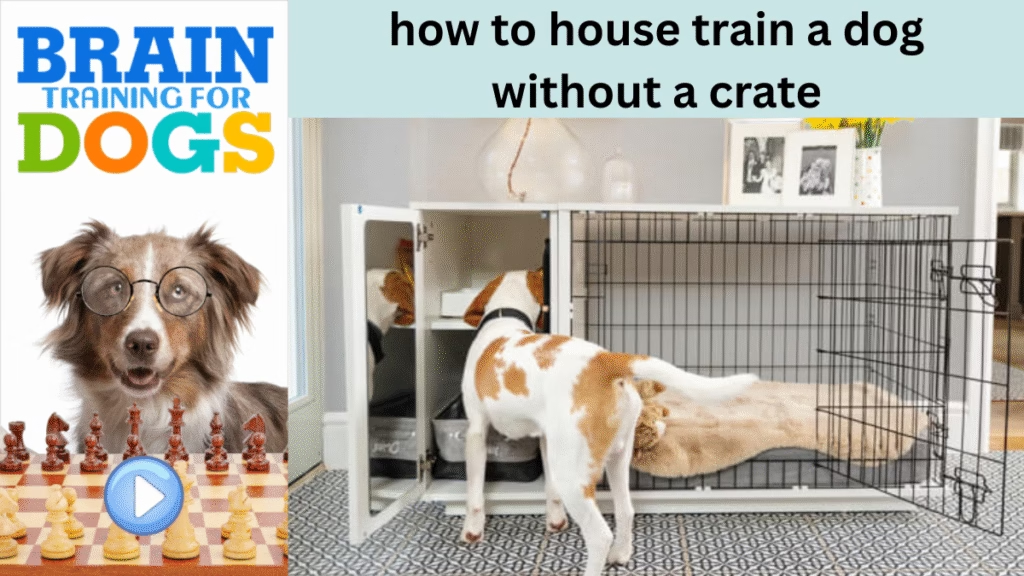
Crate training isn’t a punishment — it’s a tool that can help with house training, especially when you can’t supervise your dog closely. Most dogs naturally resist soiling the area where they sleep. A crate that’s just big enough for your dog to stand, turn around, and lie down provides a cozy, secure space that encourages them to hold it until you can take them outside.
Tips for successful crate training:
- Introduce the crate gently without forcing your dog inside
- Make it comfortable with blankets and safe toys
- Use it consistently during transitions, naps, or when you’re away
Crate training combined with scheduled potty breaks helps reinforce good habits.
Step 7: Watch for Patterns and Adjust Your Routine
Keep a simple diary of when your dog eats, drinks, plays, sleeps, and eliminates. Over several days, patterns usually emerge. You might find that your dog needs to go shortly after meals or naps, or at specific times of day. Adjust your schedule to match these natural rhythms — this greatly reduces accidents and helps your dog learn more quickly.
Step 8: Be Patient and Stay Consistent
House training an outdoor-raised dog takes patience. Don’t expect perfection overnight. Some dogs catch on within a few weeks, while others take several months to fully adjust. The key ingredients are:
- Consistency — same schedule, same cues, same spot
- Repetition — repeated opportunities to practice good behavior
- Positive reinforcement — praise and treats for successes
Every dog learns at its own pace, and setbacks are normal. What matters most is staying calm, consistent, and encouraging throughout the journey.
Common Training Challenges and How to Handle Them
Accidents Happen
Even with a solid plan, indoor accidents will occur. If you catch your dog in the act, calmly lead them outside to finish and use your cue word. If you discover an old accident later, simply clean it up without punishment — your dog won’t connect the two events.
Regression
Sometimes a dog that seemed trained starts having accidents again. This can happen due to changes in routine, stress, or medical issues. If regression happens, return to basics: schedule, supervision, consistent bathroom breaks, and positive reinforcement.
Final Thoughts
House training a dog that has lived outside is entirely achievable with the right approach. It’s less about forcing behavior and more about teaching new habits through clear communication, consistent routines, and positive reinforcement. With patience, structure, and love, your dog will soon understand the rules of living indoors — and you’ll enjoy a cleaner, more comfortable home together.